AI and ChatGPT are reshaping education by making learning faster and more accessible. While these tools offer valuable support for students, responsible use remains crucial to maintain critical thinking and academic integrity.
The Growing Role of Artificial Intelligence in Education
Artificial Intelligence (AI) is rapidly transforming the way people learn, work, and communicate. In the education sector, AI-powered tools such as ChatGPT have become increasingly popular among students due to their ability to provide instant answers, explain complex concepts, and support academic research.
With just a few prompts, students can access explanations, summaries, study guides, and even personalized learning recommendations. As a result, AI is becoming an essential part of modern education and self-learning.
However, as these technologies become more integrated into daily learning activities, educators and experts are raising important questions about their long-term impact on critical thinking, academic integrity, and student development.
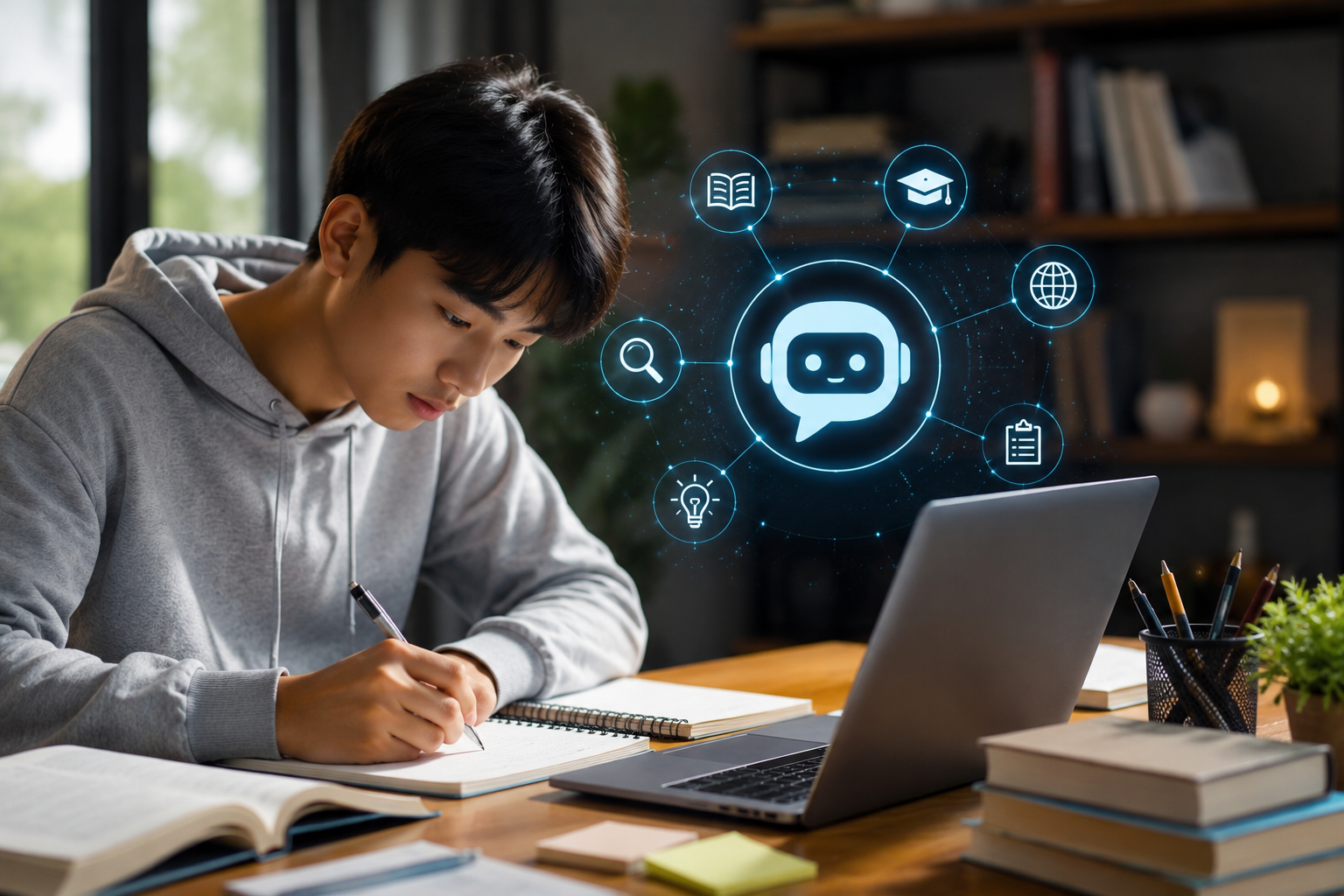
How AI Benefits Students
1. Instant Access to Knowledge
One of the biggest advantages of AI tools is their ability to provide immediate responses. Students no longer need to spend hours searching through multiple websites or textbooks to find information.
Whether they need help with mathematics, science, foreign languages, programming, or essay writing, AI can offer explanations and examples within seconds.
2. Personalized Learning Experience
Every student learns differently. AI-powered platforms can adapt explanations to different skill levels and learning styles.
For example, a student can ask ChatGPT to explain a concept in simpler language, provide real-world examples, or create practice exercises tailored to their needs. This flexibility helps learners better understand challenging subjects.
3. Improved Productivity
AI tools can assist students with:
- Summarizing lengthy documents
- Organizing study schedules
- Generating practice questions
- Correcting grammar and writing mistakes
- Translating content between languages
- Brainstorming ideas for projects and presentations
When used responsibly, these capabilities can help students save time and focus on deeper learning.

The Risks of Overreliance on AI
1. Reduced Critical Thinking Skills
While AI can provide quick answers, it may also discourage students from thinking independently.
If learners become accustomed to relying on AI for every problem, they may lose opportunities to develop analytical reasoning, problem-solving abilities, and creativity—skills that are essential for academic and professional success.
2. Academic Integrity Concerns
Another major concern is the misuse of AI for completing assignments, essays, or examinations without genuine understanding.
Submitting AI-generated work as one's own can undermine the learning process and raise ethical issues related to plagiarism and academic honesty.
Educational institutions around the world are increasingly discussing how to establish guidelines for the responsible use of AI in classrooms.
3. Potential for Inaccurate Information
Although AI systems are highly advanced, they are not perfect.
ChatGPT and similar tools may occasionally provide outdated, incomplete, or incorrect information. For this reason, students should always verify important facts through reliable academic sources, textbooks, or guidance from qualified educators.
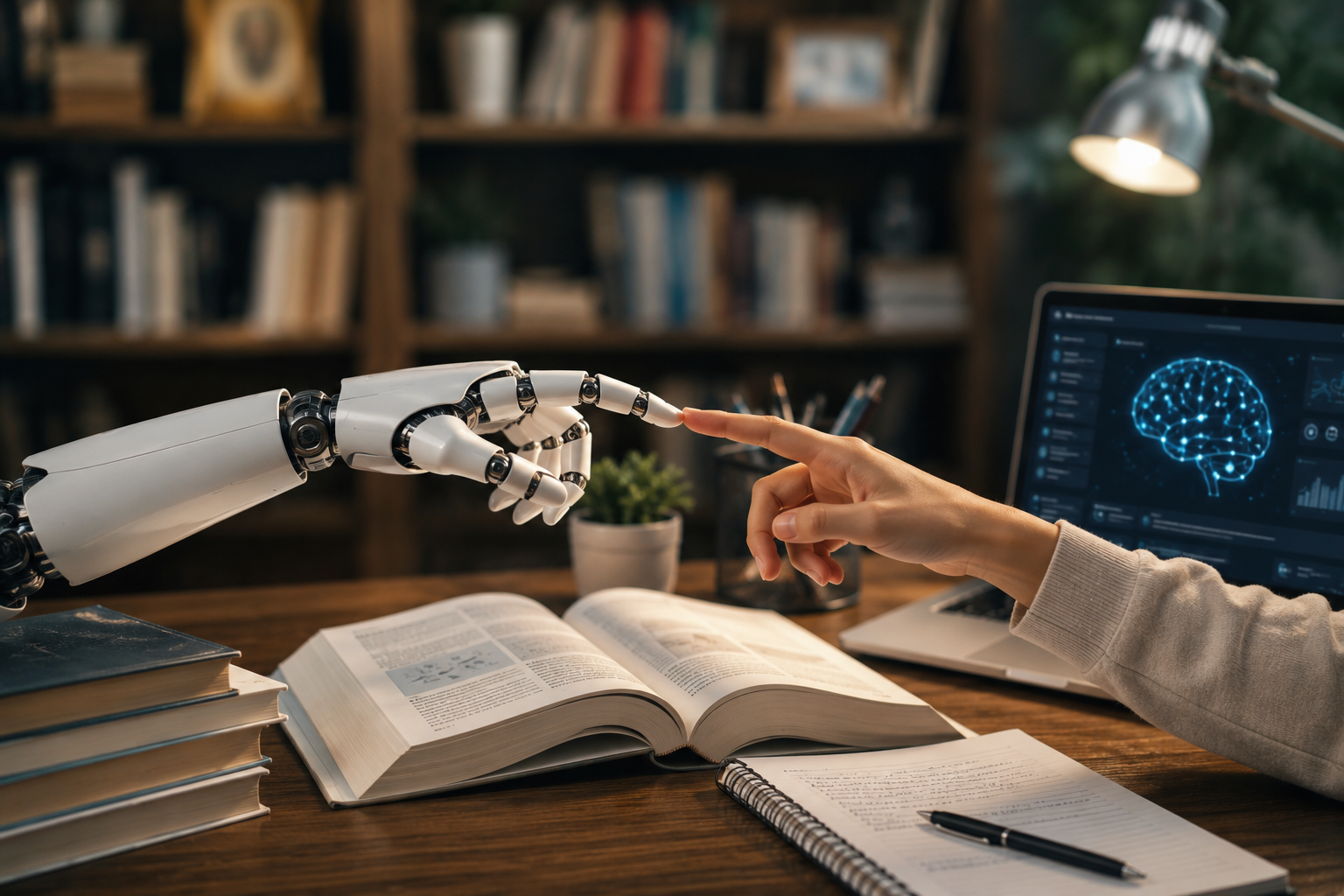
Best Practices for Using AI in Learning
To maximize the benefits of AI while minimizing potential drawbacks, students should treat AI as a learning assistant rather than a replacement for independent study.
Here are some recommended practices:
- Use AI to understand concepts, not simply obtain answers.
- Verify information from trusted sources.
- Ask follow-up questions to deepen understanding.
- Develop critical thinking and fact-checking habits.
- Combine AI assistance with traditional learning methods.
Students who use AI as a tool for exploration and learning are more likely to gain meaningful educational benefits than those who rely on it solely to complete tasks.
The Future of AI in Education
Artificial Intelligence is expected to play an increasingly significant role in education over the coming years. From personalized tutoring systems to intelligent learning platforms, AI has the potential to make education more accessible and efficient than ever before.
However, technology alone cannot replace human curiosity, creativity, and critical thinking. The most successful learners will be those who can effectively combine the power of AI with their own intellectual abilities.
Conclusion
AI and ChatGPT are reshaping the educational landscape, offering students unprecedented access to information and learning support. While these technologies provide numerous advantages, they also present challenges that should not be overlooked.
The key lies in responsible usage. When students use AI as a tool to enhance learning rather than replace effort and critical thinking, it can become a valuable companion on their educational journey.
As AI continues to evolve, developing the skills to use it wisely may become just as important as the knowledge it helps us acquire.